Follow Me On Social Media!

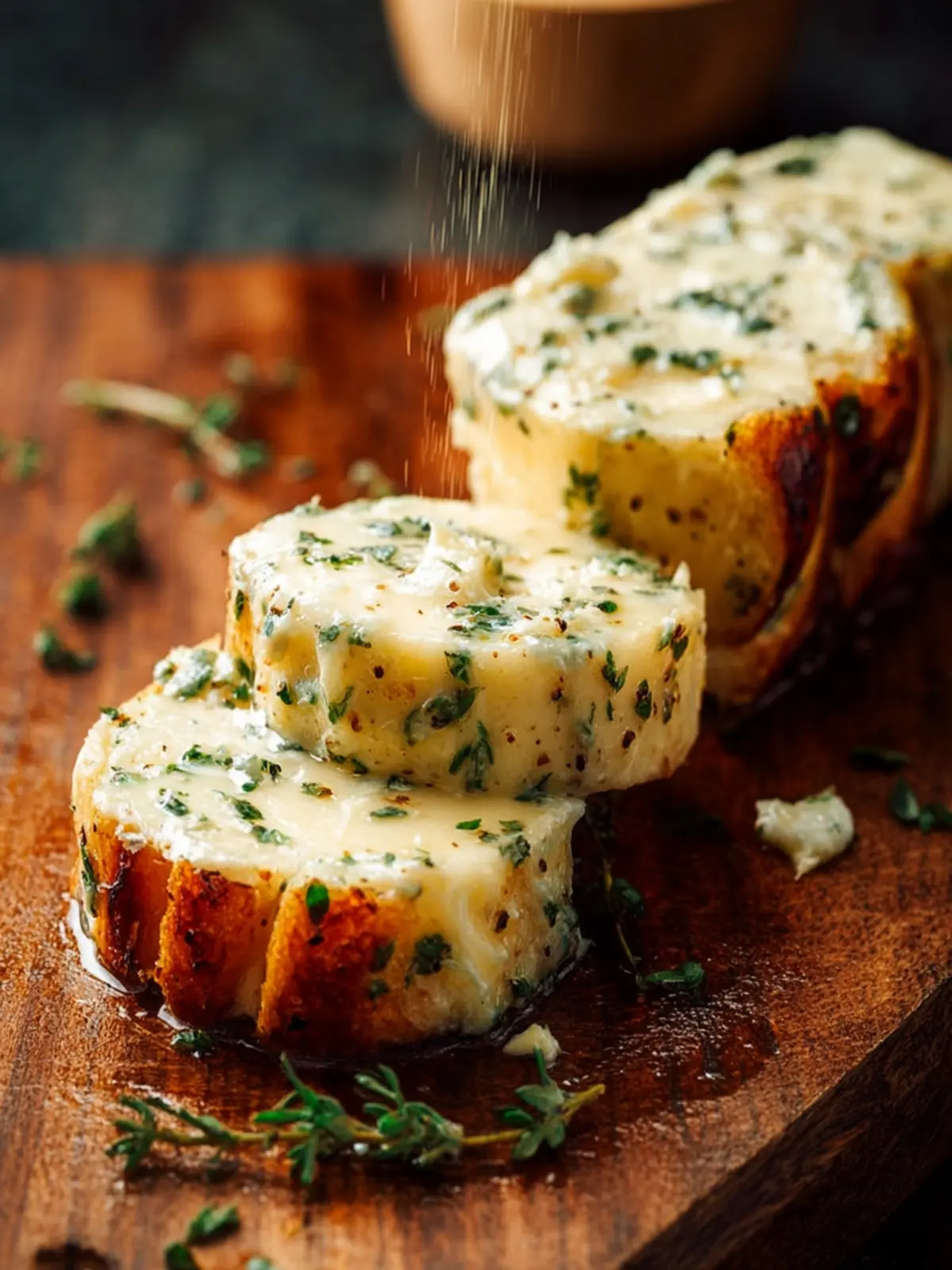
How to Make Compound Butter: The Best Flavor Boost for Dishes

Introduction to How to Make Compound Butter
Imagine hosting a cozy dinner party and serving perfectly grilled vegetables, fresh bread, or succulent meats, each slathered with a dollop of compound butter. The subtle yet magical difference this simple condiment brings is nothing short of transformative. Not only does it elevate the flavor profile of your dishes, but it also showcases an impressive array of tastes, all while being incredibly easy to prepare. Learning how to make compound butter is a skill that every home cook should have in their arsenal.
What is Compound Butter and Why is it a Game-Changer?
Compound butter is essentially butter blended with herbs, spices, or other flavorings, creating a versatile accompaniment that can elevate an ordinary dish to something extraordinary. Think of it as a flavor powerhouse that allows you to customize the taste to your liking.
The beauty of compound butter lies in its versatility:
- Flavor Profiles: You can mix in fresh herbs like parsley, chives, or dill, or add zests from citrus fruits for a refreshing twist. The possibilities are endless!
- Cooking Convenience: Having compound butter on hand means you can enhance the flavor of meals with minimal effort. A slice melted on vegetables or fish can instantly make a dish feel gourmet.
- Meal Prep Nutrition: Want to add a nutrient boost? Incorporate ingredients like garlic or roasted nuts to pack more punch into your butter.
The art of making compound butter is not only about elevating your meals but also about bringing a creative aspect to cooking that can turn a weeknight dinner into a culinary adventure. Whether you’re trying to impress guests or simply looking to add some flair to your daily meals, knowing how to make compound butter allows you to experiment with flavors that reflect your palate.
Next up, let’s dive into the ingredients you’ll need to create your very own compound butter, transforming your cooking experience one stick at a time!
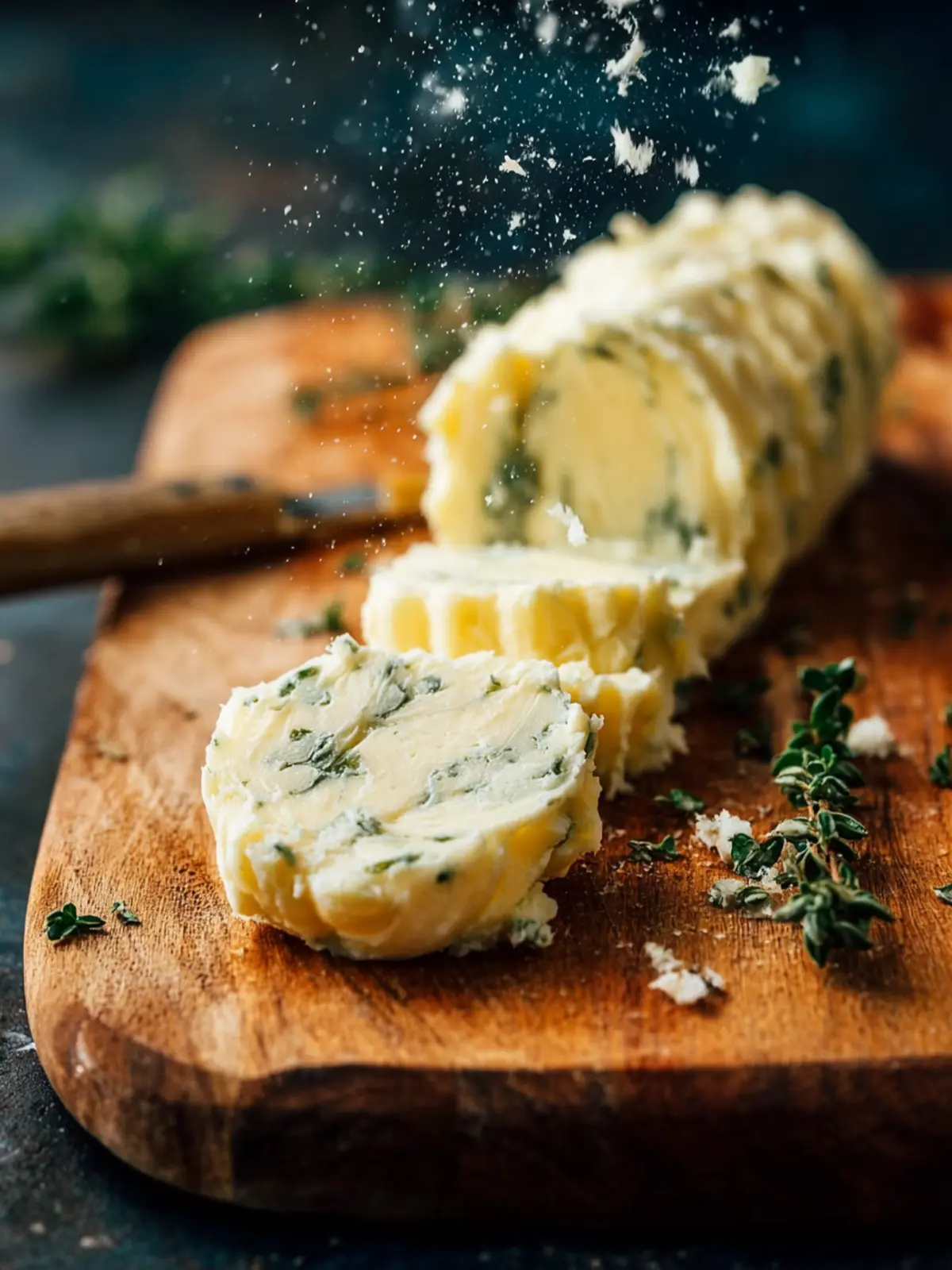
Key Ingredients for How to Make Compound Butter
Crafting the perfect compound butter is a delightful experience, transforming simple butter into a flavor-packed culinary tool. Each ingredient plays a crucial role in this process, and knowing how they come together makes all the difference.
-
Butter: Start with unsalted butter for the base of your compound butter. I prefer using high-quality butter as its creamy texture and rich flavor provide a great canvas for the other ingredients. Soften it to room temperature to make mixing easier.
-
Herbs: Fresh herbs like chives, parsley, or thyme add vibrant flavors. I often experiment with different combinations based on what’s in season or what I have on hand. Dried herbs can also work, but fresh offers a zest that’s hard to beat.
-
Garlic or Other Aromatics: A little minced garlic or shallot elevates the butter with a savory kick. Just remember, a little goes a long way!
-
Citrus Zest: Adding zests like lemon, lime, or orange can brighten the flavor profile, making your compound butter even more versatile. It’s refreshing and adds that vibrant touch!
In just a few easy steps, these key ingredients can turn your plain butter into something extraordinary!
Why You’ll Love This Recipe
Learning how to make compound butter is an exciting culinary adventure that opens the door to endless flavor possibilities. Picture this: a perfectly grilled steak or a piping hot piece of fresh bread, each bite enriched with a luscious layer of flavored butter melting into every fiber. Sounds delightful, right?
-
Versatile Flavor Profiles: One of the best things about compound butter is its versatility. From garlic and herb blends to sweet varieties featuring maple and cinnamon, you can craft a flavor that perfectly complements any dish. Imagine impressing guests or simply treating yourself; the options are limitless!
-
Simple Yet Impressive: While it may sound gourmet, making compound butter is incredibly straightforward. All you need is a few key ingredients mixed together, role it up, and chill. You’ll be amazed at how this simple technique can elevate your cooking and baking.
-
Perfect for Meal Prep: Whether you’re a busy professional or someone who just enjoys having the occasional treat, compound butter is a great meal prep idea. Make a batch on the weekend, and you’ll have it ready to enhance meals throughout the week.
Once you dive in, you’ll see why knowing how to make compound butter is a game changer in flavor and convenience!
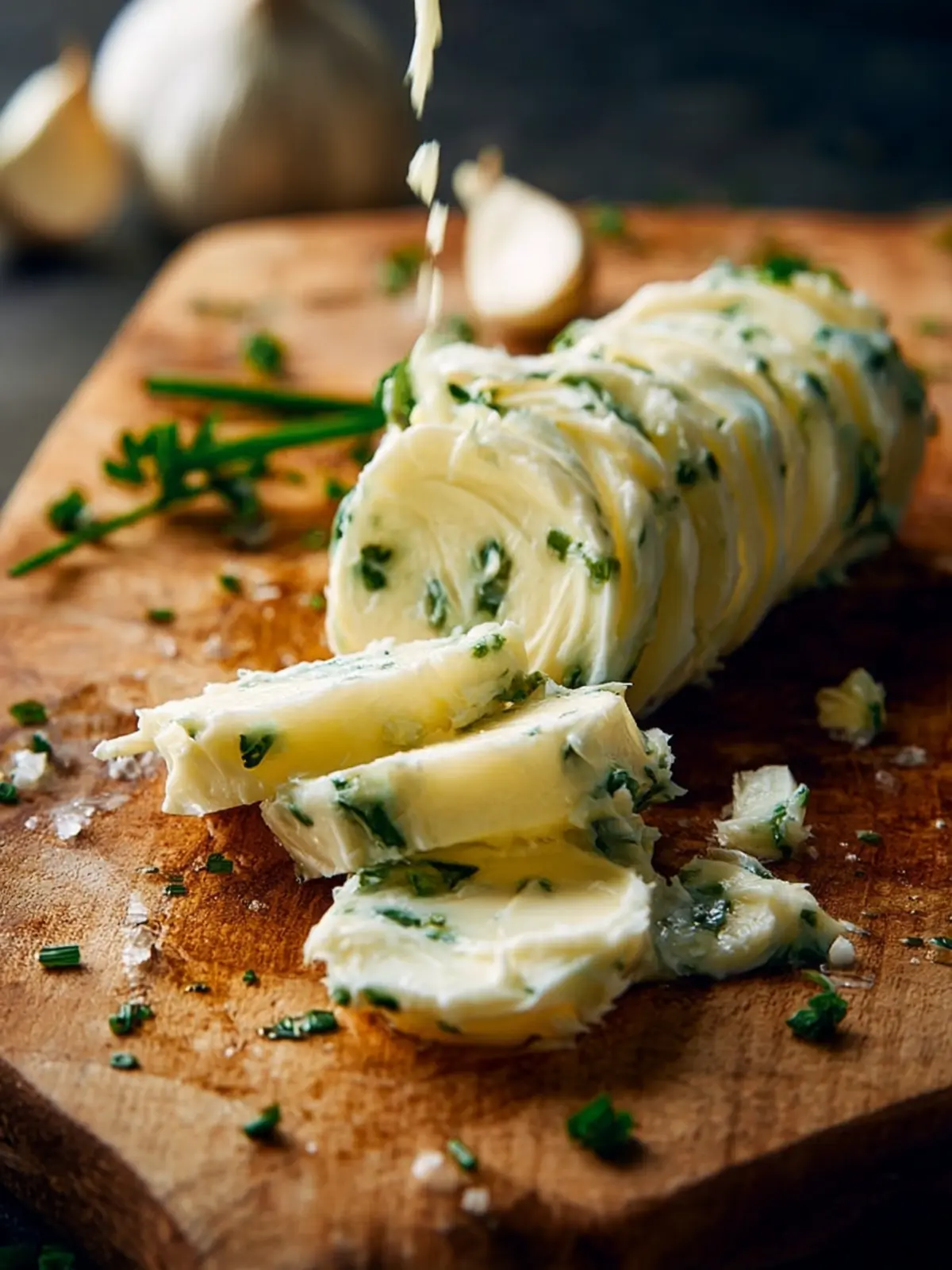
Variations of Compound Butter
Crafting compound butter opens a world of flavor possibilities that can elevate any dish. The beauty of this culinary creation is in its versatility—each variation brings a new story to your table. Let’s explore some delightful twists that you can easily whip up.
Herb-Infused Butter
Adding fresh herbs brings a vibrant touch to your compound butter. Consider blending in fresh parsley, dill, or chives. This herb-infused blend works wonders with fish or vegetables and instantly brightens up a simple meal. Remember, the fresher the herbs, the more vibrant the flavor!
Sweet Cinnamon Honey Butter
For a sweet treat, a dollop of cinnamon and honey transforms regular butter into a gourmet delight. Perfect on warm, fluffy biscuits or toasted bread, this sweet variation adds a cozy touch to breakfast or snack time. Just mix softened butter with ground cinnamon, a bit of honey, and a pinch of salt for a delightful spread.
Spicy Chipotle Lime Butter
If you’re in the mood for something with a kick, try creating a spicy chipotle lime butter. Simply mix softened butter with chipotle powder, lime juice, and zest. This zesty concoction pairs beautifully with grilled meats, roasted corn, or even just grilled corn on the cob.
Garlic and Parmesan Butter
For an Italian twist, garlic and parmesan are your best friends. Blend minced garlic and grated parmesan into your softened butter for a rich, savory spread that works well on garlic bread or tossed with pasta. This combination also elevates your veggies and meats to another level of flavor.
Exploring these variations allows you to discover just how versatile compound butter can be. Each recipe tells a unique culinary story just waiting to be enjoyed!
Cooking Tips and Notes for Compound Butter
Creating compound butter is not just a culinary task; it’s an art that enhances your dishes with a personal touch. Here are some tips to help you master the craft of making compound butter.
Choose High-Quality Ingredients
The success of your compound butter starts with selecting high-quality ingredients. Opt for unsalted butter to control the saltiness of your dish. For herbs, fresh options like parsley, thyme, or chives will deliver brighter flavors compared to dried herbs. You can also experiment with different ingredients such as roasted garlic, citrus zest, or even spices for unique flavor combinations.
Temperature Matters
To make the process seamless, make sure your butter is softened but not melted. This ensures that your butter mixes easily with the flavorings without becoming too gooey. Leaving the butter at room temperature for about 30 minutes usually does the trick.
Storage Tips for Freshness
After mixing your compound butter, store it in an airtight container in the refrigerator for up to two weeks. If you want to keep it longer, consider freezing it. Simply scoop the butter onto a piece of wax paper and shape it into a log. Wrap it tightly, and you can slice off pieces as needed.
Tailor to Your Taste
Wondering how to make compound butter truly yours? Don’t hesitate to experiment! Your taste preferences and the dishes you plan to enhance will guide your ingredient choices. Mix and match herbs, spices, and flavorings to find your signature compound butter blend.
Incorporating these tips will elevate your compound butter-making skills, making it a delightful addition to your culinary repertoire. Happy cooking!
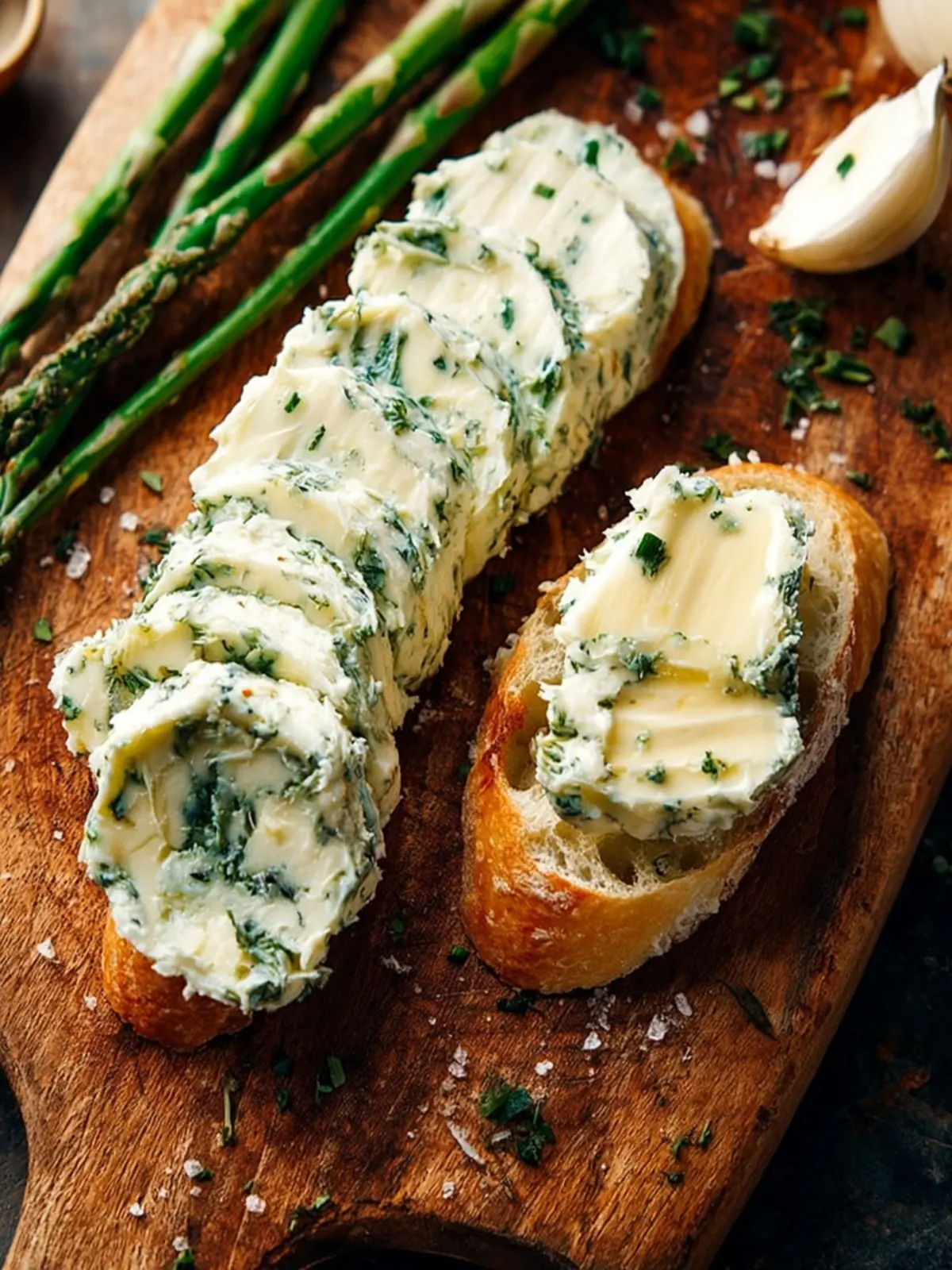
Serving Suggestions for Compound Butter
Using your compound butter opens up a world of culinary creativity. Imagine a perfectly grilled steak, its surface glistening with a pat of herb-infused butter slowly melting into flavorful morsels—it’s simply irresistible. Here are some delightful ways to enjoy your homemade butter.
-
On Bread and Rolls: Spread your compound butter on freshly baked bread or warm rolls. The rich, infused flavors elevate a simple slice into a gourmet experience.
-
With Vegetables: Toss steamed or roasted vegetables in a generous dollop of compound butter. Whether it’s garlic and parsley or lemon and dill, these additions transform your sides from ordinary to extraordinary.
-
In Sauces and Marinades: For a burst of flavor in sauces, melt compound butter to create unique marinades for meats or seafood. A tablespoon can completely reinvent your dish.
-
Baking Magic: Substitute regular butter with your favorite compound butter in baking recipes to add subtle flavors, like rosemary in cornbread or sage in biscuits.
Experimenting with different compound butter combinations lets you tailor the flavors to your liking, ensuring every bite is a joyful experience.
Time Breakdown for Compound Butter
Creating your own compound butter is not just a culinary act; it’s a delightful experience that engages your senses and enhances your meals in unique ways. Understanding the timing involved can help you plan this rewarding project effectively.
Preparation time
Expect about 10 minutes for preparation. This includes gathering your ingredients, measuring your herbs or spices, and softening your butter to the perfect spreadable consistency. The key here is to work with room-temperature butter, which makes the mixing process much smoother.
Mixing time
Mixing your ingredients will take around 5 minutes. Simply combine your butter with chosen herbs or spices using a fork or mixer until they are well incorporated. This is where you can really get creative—experiment with flavors or stick to classic choices!
Chilling time
After mixing, wrap your compound butter in parchment paper or a container and chill it for at least 1 hour. This helps the flavors meld beautifully and harden the butter for easier slicing. Depending on how infused you want the flavor, you can chill it overnight for an even more robust taste!
Nutritional Facts for Compound Butter
When diving into the world of how to make compound butter, understanding its nutritional makeup can transform your cooking experience. This rich addition to your kitchen arsenal can elevate simple dishes, but it’s important to be mindful of what you’re adding to your meals. Here’s a closer look at its nutritional content:
Calories
Each tablespoon of compound butter typically contains about 100 calories. While it adds flavor, it’s essential to measure carefully, especially if you’re watching your caloric intake.
Fat content
With approximately 11 grams of fat per serving, compound butter is a source of both saturated and unsaturated fats. Though it can provide a delicious richness to dishes, moderation is key for maintaining a balanced diet.
Sodium content
Compound butter can have varying sodium levels depending on the added ingredients. A typical serving may contain around 100-200 mg of sodium. If you’re mindful of your sodium intake, consider using low-sodium alternatives in your herb blends.
Incorporating compound butter into your meals can enhance flavors beautifully while being aware of its nutritional aspects helps you enjoy it wisely.
FAQs about Compound Butter
Creating your own compound butter can open up a world of flavor for your dishes. While the process may seem straightforward, you might have a few lingering questions. Let’s dive into some of the most common ones!
How long can I store compound butter?
One of the best parts of compound butter is its excellent shelf life! Wrapped tightly in parchment paper or stored in an airtight container, it can last up to two weeks in the refrigerator. If you want to keep it even longer, consider freezing it. In the freezer, it can maintain its delightful flavors for up to three months. Just slice off what you need for your recipes, and you’ll have an easy flavor booster at your fingertips.
Can I use dried herbs instead of fresh?
Absolutely! While fresh herbs tend to offer a brighter, more vibrant taste, dried herbs can definitely work in a pinch. Just remember that dried herbs are more concentrated, so you should use about one-third of the suggested amount of fresh herbs. This adjustment ensures your compound butter doesn’t become overpowered by herb flavors.
What other mixes can I try in my compound butter?
The beauty of compound butter lies in its versatility! You’re not limited to just herbs. Here are some creative ideas to spark your culinary imagination:
- Citrus Zest: Lemon or orange zest adds a lovely brightness.
- Spices: Experiment with cinnamon or smoked paprika for unique flavors.
- Cheeses: Blend in finely grated parmesan or feta for a rich, savory overlay.
- Nuts: Incorporate finely chopped nuts for added texture.
Feel free to experiment with your favorite flavors; the possibilities are endless!
Conclusion on How to Make Compound Butter
Crafting your own compound butter is not just a culinary technique; it’s an expression of creativity and flavor. The beauty of this recipe lies in its simplicity and versatility. Whether you’re enhancing a fresh steak or topping a warm baguette, homemade compound butter elevates any dish.
Embrace the opportunity to experiment with various ingredients—herbs, spices, or even citrus—to create unique blends that reflect your culinary personality. With just a bit of planning and a few minutes of hands-on time, you’ll have a delightful addition to your kitchen arsenal. Enjoy the satisfaction of knowing you’ve transformed humble butter into a gourmet experience!
Print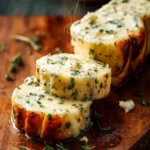
Herb Butter
- Total Time: 15 minutes
- Yield: 1 cup 1x
- Diet: Vegetarian
Description
A delicious herb-infused butter that adds flavor to any dish.
Ingredients
Scale
- 1 stick (1/2 cup) unsalted butter
- 2 tablespoons finely chopped chives
- 1 tablespoon finely chopped fresh thyme
- 1/8 teaspoon garlic powder
- Scant 1/2 teaspoon kosher salt
- 4 grinds black pepper
Instructions
- Soften the butter: cut the butter in half lengthwise, then into about 12 pieces total. Let the butter sit at room temperature about 15 minutes until softened. Or, microwave on low power for a few 5 second bursts until it softens, checking after each burst and taking care not to overheat.
- Place the butter in a bowl. Add the chopped chives, thyme, garlic powder, salt and pepper. Smash and stir into the butter until it’s fully combined.
- Use immediately, or if desired, place the butter on a piece of plastic wrap or parchment paper and use the wrap to roll it into a log. Twist the ends closed and refrigerate until it’s solid enough to cut (or until serving; you can freeze it for a few minutes to speed up the process).
- The flavor is great right away, and gets even better after refrigeration. Use for spreading on bread, making garlic bread, pasta, seafood, steak, potatoes, and more. Stores up to 1 month refrigerated or 3 months frozen.
Notes
- For best results, refrigerate the butter before using.
- This herb butter can be customized by adding other herbs and spices according to your taste.
- Prep Time: 15 minutes
- Category: Condiments
- Method: Mixing
- Cuisine: American
Nutrition
- Serving Size: 2 tablespoons
- Calories: 100
- Sugar: 0
- Sodium: 50
- Fat: 11
- Saturated Fat: 7
- Unsaturated Fat: 3
- Trans Fat: 0
- Carbohydrates: 0
- Fiber: 0
- Protein: 0
- Cholesterol: 30