Follow Me On Social Media!

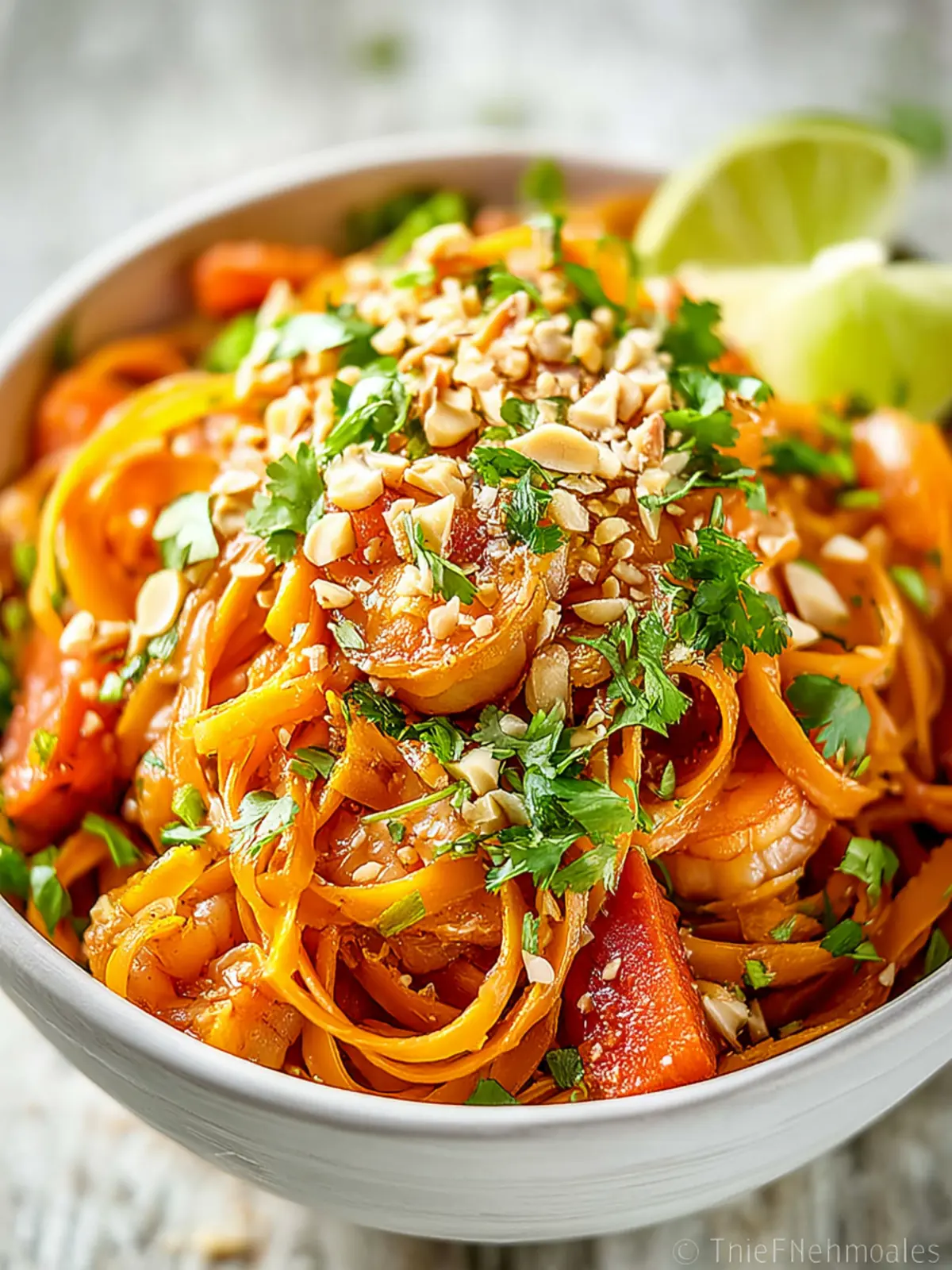
Carrot Noodle Pad Thai: A Light, Flavorful Twist on Classic!

Introduction to Carrot Noodle Pad Thai
Imagine a vibrant dish that captures the essence of traditional Thai flavors while offering a fresh twist that delights both your palate and your health. Carrot Noodle Pad Thai is just that—a colorful, nourishing alternative to the classic stir-fry. Utilizing spiralized carrots as a base instead of conventional rice noodles, this recipe is perfect for those wanting to enjoy a lighter, gluten-free version of the beloved staple.
What makes Carrot Noodle Pad Thai so special?
This dish marries the satisfying textures and flavors of Pad Thai with an array of wholesome ingredients. The carrot noodles aren’t just a clever substitute; they bring a natural sweetness that complements the zesty tamarind sauce while providing a lovely crunch. What truly sets this dish apart is the combination of simplicity and versatility; you can easily tailor it to suit your dietary preferences by adding protein or extra veggies.
Here are a few highlights of this delightful recipe:
- Flavorful Sauce: The tamarind paste transforms the dish into a tangy, slightly sweet experience that’s iconic to Thai cuisine. It’s an ingredient that not only enhances flavor but also contributes to promoting digestive health.
- Refreshing Vegetables: Utilizing colorful carrots is a fabulous way to sneak in those essential nutrients. With their beta-carotene and fiber, you’ll feel good indulging in this nourishing bowl.
- Quick Preparation: This recipe can be whipped up in under 30 minutes, making it an ideal choice for busy young professionals or anyone looking for a quick and healthy meal option.
- Customizable: Feeling adventurous? You can easily switch up the veggies based on what’s in your fridge or add some grilled chicken, shrimp, or tofu for a protein boost.
As you delve into this Carrot Noodle Pad Thai recipe, get ready to impress not just yourself, but anyone lucky enough to share your table. It’s a dish that celebrates vibrant ingredients, rich flavors, and a touch of creativity, making every bite a true delight!
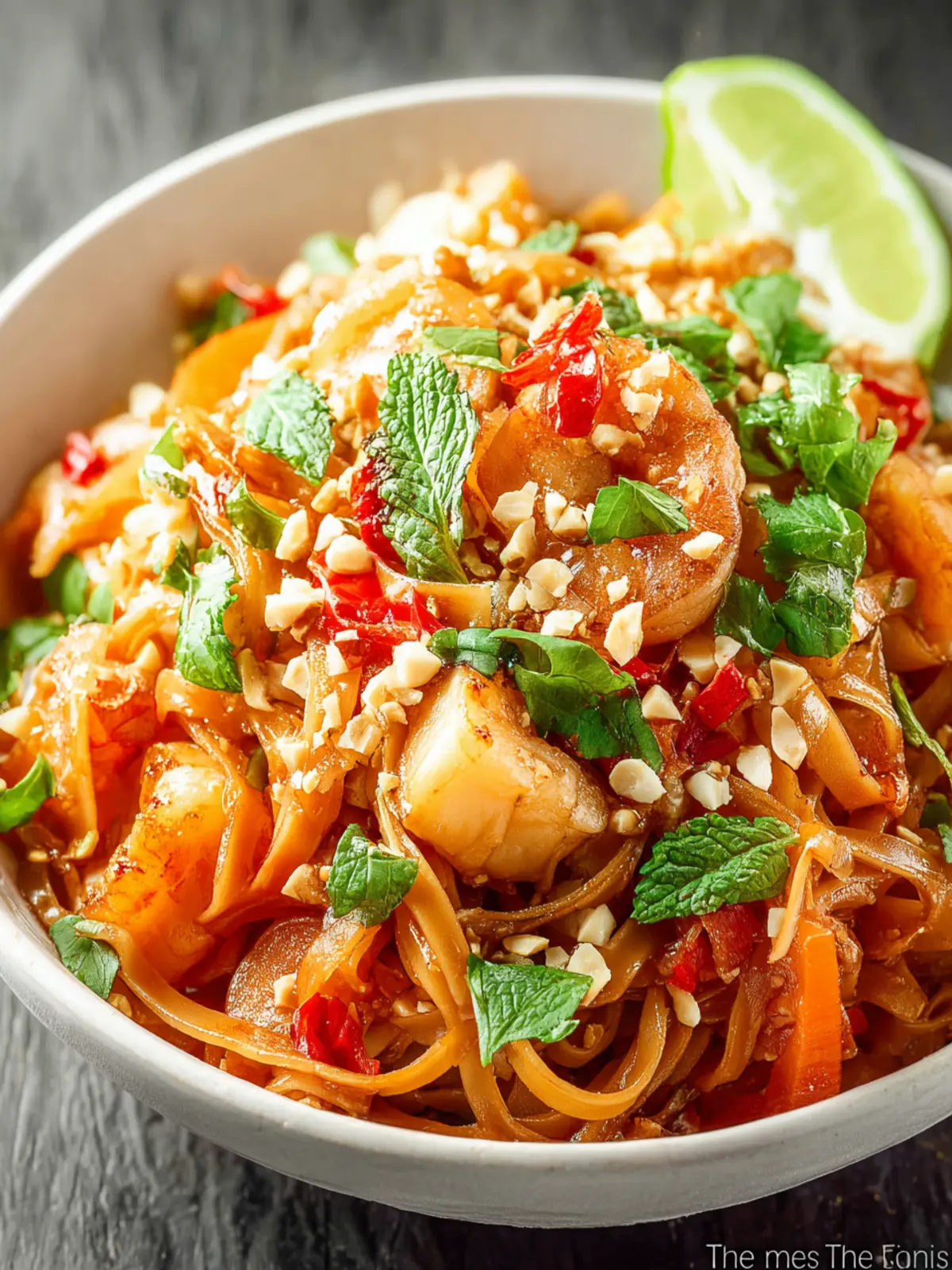
Key Ingredients for Carrot Noodle Pad Thai
Carrot Noodle Pad Thai takes classic flavors and gives them a vibrant, healthy twist. Imagine the crunch of fresh vegetables mingling with the savory sauce—it’s a delightful experience that goes beyond taste. To recreate this dish in your kitchen, consider these essential ingredients.
-
Carrot Noodles: Start with spiralized carrots for the base. They not only add a beautiful color but also infuse the dish with a subtly sweet flavor. Feel free to use store-bought spiralized carrots or make your own to control the thickness.
-
Protein: Your choice of protein can make or break this dish. Tofu, chicken, shrimp, or even tempeh are excellent options. Ensure to marinate or season them properly for maximum flavor.
-
Pad Thai Sauce: This is the heart of your dish! A mix of tamarind paste, fish sauce, and a sprinkle of sugar brings the perfect balance of tangy and sweet. If you’re vegetarian, soy sauce can work too.
-
Vegetables: Bell peppers, scallions, and bean sprouts add crunch and freshness. Each brings its unique texture and flavor to the dish, creating a delightful medley.
-
Peanuts: For that quintessential Pad Thai finish, sprinkle chopped peanuts on top. They add a satisfying crunch and nutty flavor that ties everything together.
Embrace these ingredients, and you’re well on your way to creating a stunning Carrot Noodle Pad Thai that is colorful, flavorful, and entirely wholesome.
Why You’ll Love This Carrot Noodle Pad Thai
When you take your first bite of this carrot noodle Pad Thai, you’ll find yourself in a flavorful adventure that feels both fresh and satisfying. This dish transforms ordinary ingredients into a vibrant and healthy meal, perfect for busy young professionals looking to spice up their weeknight dinners.
A Unique Twist on a Classic
This carrot noodle Pad Thai effortlessly combines the rich tradition of Thai cuisine with a modern healthy twist. By using carrot noodles instead of rice or traditional wheat noodles, you not only reduce carbs but also add a pop of color and a slight sweetness that’s simply irresistible.
Quick and Easy to Prepare
What’s more, this dish is incredibly quick to whip up! In just about 30 minutes, you can have a delightful dinner on the table. Imagine coming home after a long day and effortlessly creating a dish that’s both nutritious and packed with flavor.
Packed with Nutrients
Your taste buds are in for a treat, but your body will thank you too. Carrots are loaded with vitamins A and C, contributing to your overall health. Toss in some fresh veggies and protein of your choice, and you’ve got a well-rounded, wholesome meal that keeps you energized and satisfied.
This carrot noodle Pad Thai is bound to become a go-to recipe in your kitchen—it’s not only delicious but also quick, nutritious, and visually appealing. Who wouldn’t love that?
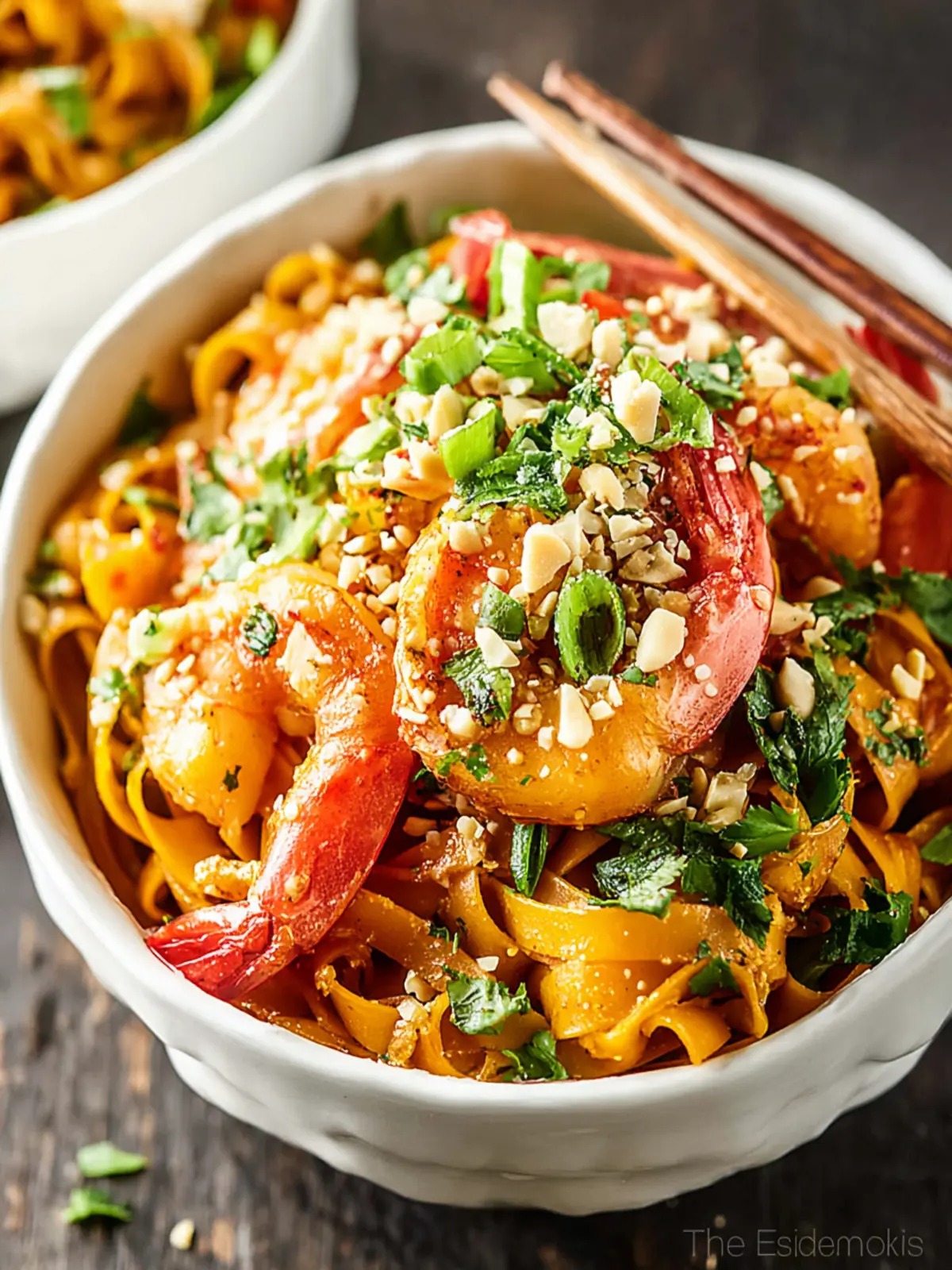
Variations of Carrot Noodle Pad Thai
When exploring the delightful world of carrot noodle Pad Thai, it’s inspiring to see how you can tweak this classic dish to suit every palate. Whether you’re looking for a protein boost, extra veggies, or a flavor kick, there’s a version of this dish just waiting for you!
Adding Protein
For those who enjoy a heartier meal, consider incorporating your favorite protein. Grilled chicken or shrimp pairs beautifully with the fresh carrot noodles. Tofu is a fantastic plant-based option, absorbing the rich flavors of the sauce while adding a satisfying texture.
Veggie Variations
If you want to amp up your vegetable intake, you can easily mix in other colorful options like bell peppers, snap peas, and broccoli. These vegetables not only enhance the dish’s visual appeal but also contribute a variety of textures and vitamins.
Saucy Spin-Offs
Feeling adventurous? Experiment with different sauces to give your carrot noodle Pad Thai a unique flair. A spicy sriracha sauce or a rich peanut sauce can elevate the flavor profile and keep your taste buds on their toes.
Gluten-Free Options
If gluten is a concern, swapping in tamari for soy sauce can create a completely gluten-free dish without sacrificing flavor.
Each of these variations offers a new experience with the ever-lovable carrot noodle Pad Thai, keeping your meals fresh and exciting. So why stick to just one recipe when the possibilities are endless?
Cooking Tips for Carrot Noodle Pad Thai
Crafting the perfect carrot noodle pad thai is all about balance and the right technique. I remember the first time I attempted this dish; the flavors danced together, but I quickly realized that a few tips can elevate your creation from good to fabulous.
Use Fresh Carrots
For your carrot noodles, opt for fresh carrots. They bring a natural sweetness and crunch that transforms the dish. If you have a spiralizer, use it to create even, finessed noodles. If not, a vegetable peeler can give you beautiful ribbons.
Master the Sauce
The sauce is the heart of your carrot noodle pad thai. A mix of tamarind, fish sauce, and a touch of sugar creates that authentic flavor. Don’t shy away from tasting as you go; adjust the sweetness or saltiness to fit your preference.
Cooking Technique
When stirring ingredients, keep the heat on medium-high. This ensures the veggies maintain their crispness while allowing the flavors to meld. Remember, no one wants soggy carrot noodles.
Garnish Wisely
A sprinkle of crushed peanuts and fresh cilantro at the end not only adds texture but also enhances the aesthetic appeal of your dish.
Enjoy the Process
Lastly, remember that cooking should be fun! Share your carrot noodle pad thai with friends. Their reactions to your culinary masterpiece will make all the effort worthwhile. Trust me, the process is just as rewarding as the outcome!
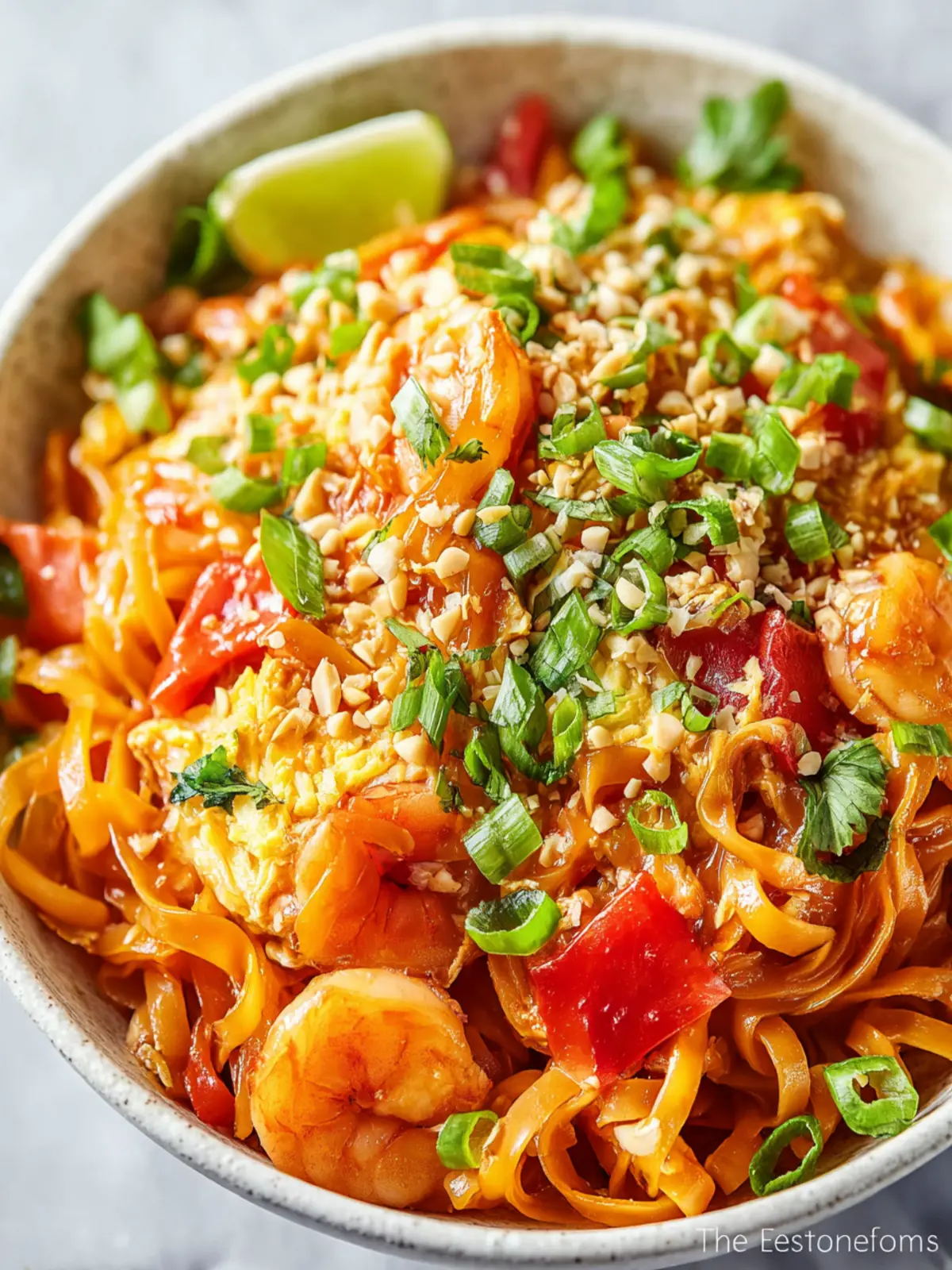
Serving Suggestions for Carrot Noodle Pad Thai
When you whip up a delightful batch of Carrot Noodle Pad Thai, elevating the dish with thoughtful serving suggestions can take your meal from ordinary to extraordinary. Imagine lounging on your couch after a long day, savoring a bowl of this vibrant dish that feels both comforting and exciting.
Garnish for a Pop of Flavor
Adding a sprinkle of crushed peanuts not only enhances the texture but also brings a nutty flavor that pairs perfectly with the dish’s tanginess. You might even consider topping it with sliced green onions or a wedge of lime to brighten up each bite. Fresh cilantro can also make for a lovely addition, offering a fragrant twist.
Accompaniments to Complete the Meal
To make your meal feel complete, serve the Carrot Noodle Pad Thai alongside a refreshing side salad. A simple cucumber salad or even a light mix of leafy greens with sesame dressing can complement the richness of the Pad Thai beautifully, creating a balanced dining experience.
Beverage Pairing Ideas
To wash it all down, why not try a chilled coconut water or a light Asian beer? Both options bring a refreshing contrast to the savory flavors of the dish, enhancing your dining experience significantly.
With these suggestions, your Carrot Noodle Pad Thai will not just be a meal; it’ll be a delightful culinary adventure.
Time Breakdown for Carrot Noodle Pad Thai
Creating a delicious Carrot Noodle Pad Thai doesn’t have to take hours — it’s all about using your time wisely. Here’s how you can break down the timing to keep your cooking efficient.
Preparation Time
Getting ready to whip up your carrot noodle pad thai is a breeze. All you need is about 15-20 minutes to gather your ingredients, peel your carrots, and spiralize them into noodles. Trust me, this little prep time pays off in vibrant flavor and texture.
Cooking Time
Once your ingredients are prepped, the actual cooking takes around 10-15 minutes. Sautéing the veggies and tossing them with your sauce brings the dish to life. The quick cooking time means you’ll have a delightful meal ready in no time!
Total Time
When you add it all up, you’re looking at approximately 30-35 minutes from start to finish. In just over half an hour, you can enjoy a healthy, homemade carrot noodle pad thai that satisfies and delights. Simple, right?
Nutritional Facts for Carrot Noodle Pad Thai
Calories
A serving of Carrot Noodle Pad Thai typically contains around 300 calories. This makes it a nutritious yet satisfying meal for lunch or dinner without straying too far from your calorie goals.
Protein
This vibrant dish packs a protein punch with about 10 grams per serving, especially if you choose to add tofu or shrimp. The balance of proteins from these ingredients ensures you’re fueling your body with the essential nutrients it needs.
Sodium
Depending on how much soy sauce you use, the sodium content can vary. On average, you may find about 600 mg of sodium per serving. Opting for low-sodium soy sauce can help you keep it lighter while still enjoying that savory flavor.
This flavorful, colorful dish combines the nutritional benefits of fresh carrots with the comfort of traditional Pad Thai flavors, making it a wholesome choice for any meal.
FAQs about Carrot Noodle Pad Thai
Cooking up a delightful plate of Carrot Noodle Pad Thai can often spark questions, and you’re not alone! Here are some popular queries to help you navigate this culinary adventure.
Can I use different vegetables?
Absolutely! The beauty of Carrot Noodle Pad Thai is its versatility. Feel free to swap in any veggies you have on hand. Zucchini, bell peppers, and snap peas are fantastic alternatives that still add crunch and color. You can also throw in some green onions or edamame for added texture. Just remember to keep the cooking times in mind—some vegetables require a little less time in the pan than others.
How can I make this dish vegan?
If you’re looking to whip up a vegan-friendly version of Carrot Noodle Pad Thai, it’s simple! Replace traditional fish sauce with soy sauce or tamari for a gluten-free option. You can also use tofu or tempeh in place of any animal-based protein. For an extra hint of umami, try adding a splash of coconut aminos or a sprinkle of nutritional yeast.
What’s the best way to store leftovers?
Storing your Carrot Noodle Pad Thai is a breeze! Allow the dish to cool down, then transfer it to an airtight container. It can last in the refrigerator for up to three days. If you want to keep things fresh for longer, consider freezing leftovers. Just reheat gently in a skillet or microwave, adding a splash of water or broth to keep the noodles moist. Enjoy!
Conclusion on Carrot Noodle Pad Thai
In wrapping up our journey through Carrot Noodle Pad Thai, it’s clear that this dish is not just a healthy twist on a classic—it’s a vibrant celebration of flavors and textures. With its crisp carrot noodles, savory sauce, and colorful veggies, you’ll find that each bite brings a delightful balance between freshness and familiarity. The beauty of this recipe lies in its adaptability; feel free to customize it with your favorite proteins or sauces. So, whether you’re prepping for a busy weeknight dinner or a cozy meal for friends, this Carrot Noodle Pad Thai will undoubtedly shine on your table. Happy cooking!
Print
Pad Thai with Prawns
- Total Time: 30 minutes
- Yield: 2 servings 1x
- Diet: Gluten-Free
Description
A delicious and quick Pad Thai recipe featuring prawns, tamarind paste, and fresh vegetables.
Ingredients
Scale
- 3 tablespoons tamarind paste
- ¼ cup palm sugar (can use brown sugar)
- 1 tablespoon fish sauce
- 1 tablespoon soy sauce (gluten-free if needed)
- 4 medium carrots
- 2 tablespoons cooking oil (divided)
- 1 medium onion (sliced thin)
- 3 cloves garlic (minced)
- 10 large prawns
- 2 large eggs
- 2 cups bean sprouts
- 2 green onions (sliced)
- 1 handful cilantro (stems torn off)
- 1 lime (juiced)
- to serve Sriracha, chopped chilis, extra green onions, cilantro, and whole peanuts
Instructions
- Add the tamarind paste, palm sugar, fish sauce, and soy sauce to a small bowl and mix well.
- Peel the carrots then slice them into long ribbons using the peeler. (See the blog post for more detailed instructions.) Place the carrot noodles into a large bowl.
- Heat 1 tablespoon of the oil in a large skillet or wok over medium-high heat. Add the onion and garlic and cook for 2 minutes. Add the prawns and cook, stirring a few times, until they have turned pink, about 1-2 minutes. Remove the prawns and onions from the pan.
- Pour the remaining tablespoon of oil into the pan. Once it is hot, crack the eggs into the pan and stir them around. Cook them until they are scrambled then remove them from the pan and put them in the same bowl as the prawns.
- Put the pan back on the heat and add the carrot noodles. Unless you have a very big skillet they will barely fit. Don’t worry, they will shrink as they cook. Cook them for about 2 minutes, turning them with tongs so they cook evenly. Add the bean sprouts and mix them in using the tongs. Pour in the tamarind sauce and continue to toss the noodles. Continue to cook the noodles until they are soft but still have a slight crunch, about 2-3 more minutes.
- Add the green onions, cilantro, and cooked onions, prawns, and eggs back into the pot and toss it so everything is mixed in well.
- Divide the pad thai between two bowls. Return the pan to the heat and turn the heat to high. Let the liquid in the pan boil until it thickens then pour it over the noodles.
- Top the pad thai with a squeeze of lime juice and any or all of the optional toppings. Serve right away.
Notes
- For a vegetarian version, substitute the prawns with tofu.
- Use more or less palm sugar based on your desired sweetness.
- Prep Time: 15 minutes
- Cook Time: 15 minutes
- Category: Main Dish
- Method: Stir-Fry
- Cuisine: Thai
Nutrition
- Serving Size: 1 bowl
- Calories: 550
- Sugar: 5g
- Sodium: 1200mg
- Fat: 20g
- Saturated Fat: 5g
- Unsaturated Fat: 15g
- Trans Fat: 0g
- Carbohydrates: 74g
- Fiber: 5g
- Protein: 30g
- Cholesterol: 200mg